Author: ln ds

  • How to Choose Your First Mechanical Watch

    The first-watch guide · Updated August 2026

    How to choose your first mechanical watch

    Before comparing movements, set three limits: the largest case you will wear, whether you need to swim with it and what you can spend. Those answers remove most bad options.

    By Zen Mode Editorial · Watch Education · 4 minute read

    FitDiameter · lug-to-lug · thickness
    Daily useWater · work · travel
    BudgetWatch · tax · future service

    Set these three limits before comparing brands or movements.

    The short answer

    For most wrists, start around 36–40 mm, keep the lug-to-lug length inside the top of your wrist, choose at least 50 m of water resistance for daily use and buy from a seller whose return policy gives you room to be wrong.

    1. Define the ordinary day

    A polished dress watch can be beautiful and still be the wrong first watch if you live in T-shirts and spend weekends near water. A thick diver can feel reassuring until it catches every cuff. List the boring conditions first: school or office, rain, gym, travel, swimming and how often you are willing to remove the watch. A good first watch should disappear into most of that routine and become interesting again when you look down.

    2. Learn the three measurements that change fit

    Diameter describes width, but lug-to-lug tells you how much wrist the case occupies. Thickness decides whether the watch sits neatly or feels top-heavy. A 41 mm diver with short curved lugs can wear smaller than a flat 39 mm watch with long lugs.

    Phone wrist shots distort perspective, especially close to the lens. Use measurements, try the watch on when possible and keep the lugs from extending beyond the flat top of your wrist. Bracelet end links can add effective length, so check whether they articulate downward immediately.

    3. Mechanical is a preference, not an upgrade

    An automatic movement winds through wrist motion. A hand-wound movement asks for a daily or near-daily ritual. Both drift more than inexpensive quartz and both eventually need service. Affordable mechanical accuracy can reasonably vary by many seconds per day; the exact manufacturer tolerance matters more than the word “automatic.”

    Buy mechanical because the machine interests you, because the sweep of the seconds hand feels alive, or because winding and setting the watch adds something to ownership. If resetting the time sounds irritating, a solar quartz Citizen is not a lesser choice—it is probably the better one.

    4. Read water resistance conservatively

    A depth number is a laboratory rating, not an invitation to use every watch at that depth. For a daily watch, 50 m is a practical floor; 100 m gives more breathing room; 200 m with a screw-down crown is the comfortable tool-watch standard. Condition matters too: gaskets age, and water resistance should be tested after the case is opened.

    5. Know where affordable watches save money

    The savings usually appear in the bracelet, clasp, crystal, movement regulation or small finishing details. None is automatically a deal-breaker. A mineral crystal can be fine on a dress watch; it is less reassuring on a watch meant for hard daily use. A basic bracelet is easy to replace if the case and dial are worth keeping.

    Do not let one impressive specification hide the whole watch. Sapphire does not fix awkward proportions. A long power reserve does not improve an uncomfortable bracelet. Specifications should narrow the field; the design still has to make you want to wear it.

    The pre-purchase check

    • Confirm the exact reference, not only the collection name.
    • Compare diameter, lug-to-lug and thickness with a watch you already know.
    • Check whether the listed seller is the actual seller and what warranty applies.
    • Read the return window before removing bracelet stickers or sizing links.
    • Treat strap changes as optional; budget for one only when repeated comfort reviews point to a real problem.

    Leave yourself room to change your mind

    Your first mechanical watch does not need to represent your final taste. It needs to be good enough to teach you whether you value slimness or presence, a bracelet or leather, a clean dial or tool-watch texture. Buying a respected model in a common size makes that lesson easier to resell if your taste moves on.
    Browse the Watch Directory →   ·   Read the under-$500 guide →

  • Five Watches Under $500 We Would Actually Recommend

    Buying guide · Updated August 2026

    Five watches under $500 we would actually recommend

    Not five versions of the same safe watch. These are five different answers: automatic, solar, dressy, durable and easy to wear.

    By Zen Mode Editorial · Buying Guides · 4 minute read

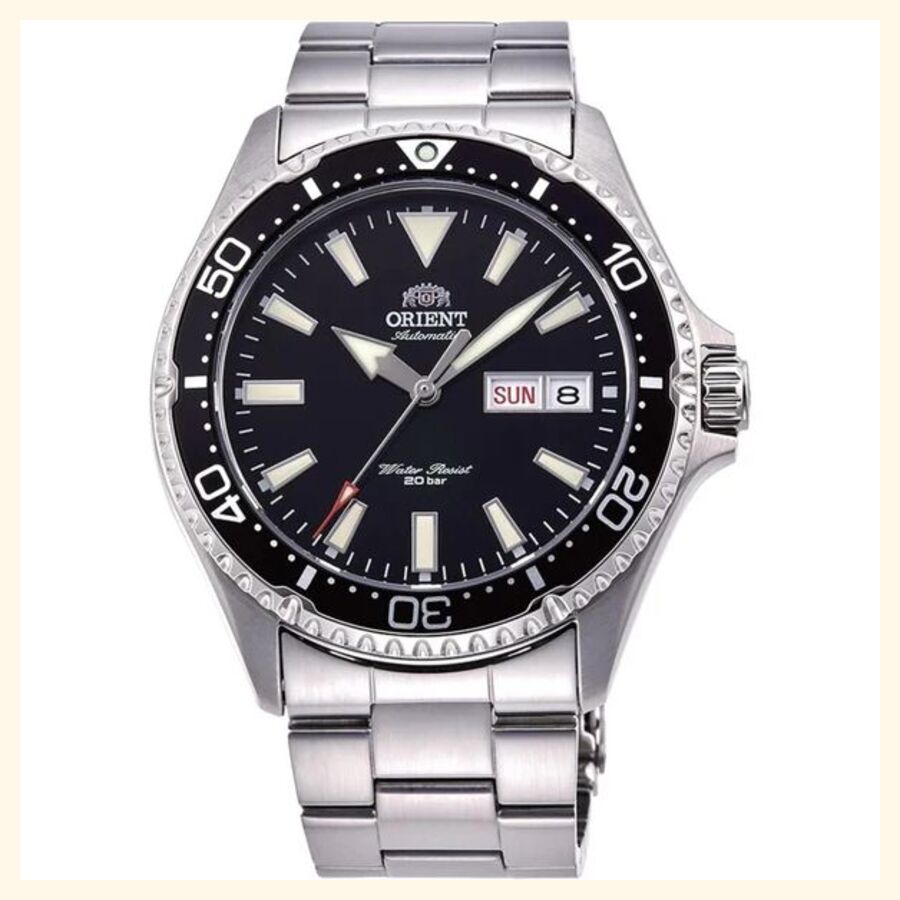
    Orient Kamasu
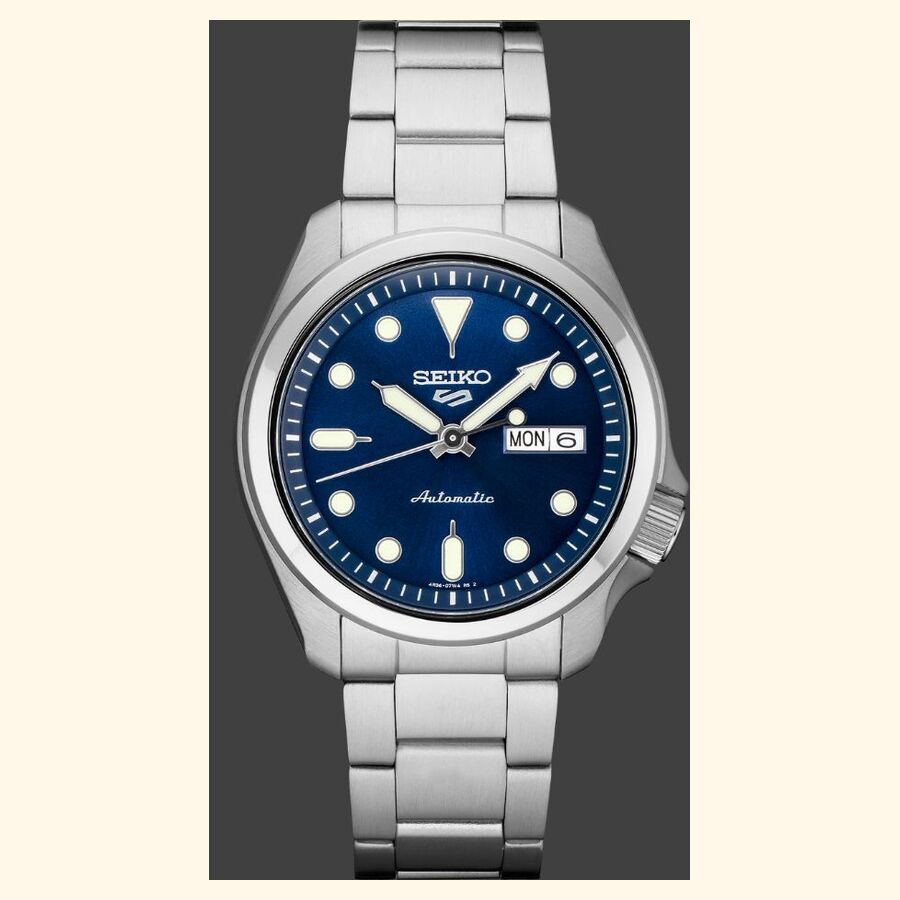
    Seiko 5 Sports SRPE53
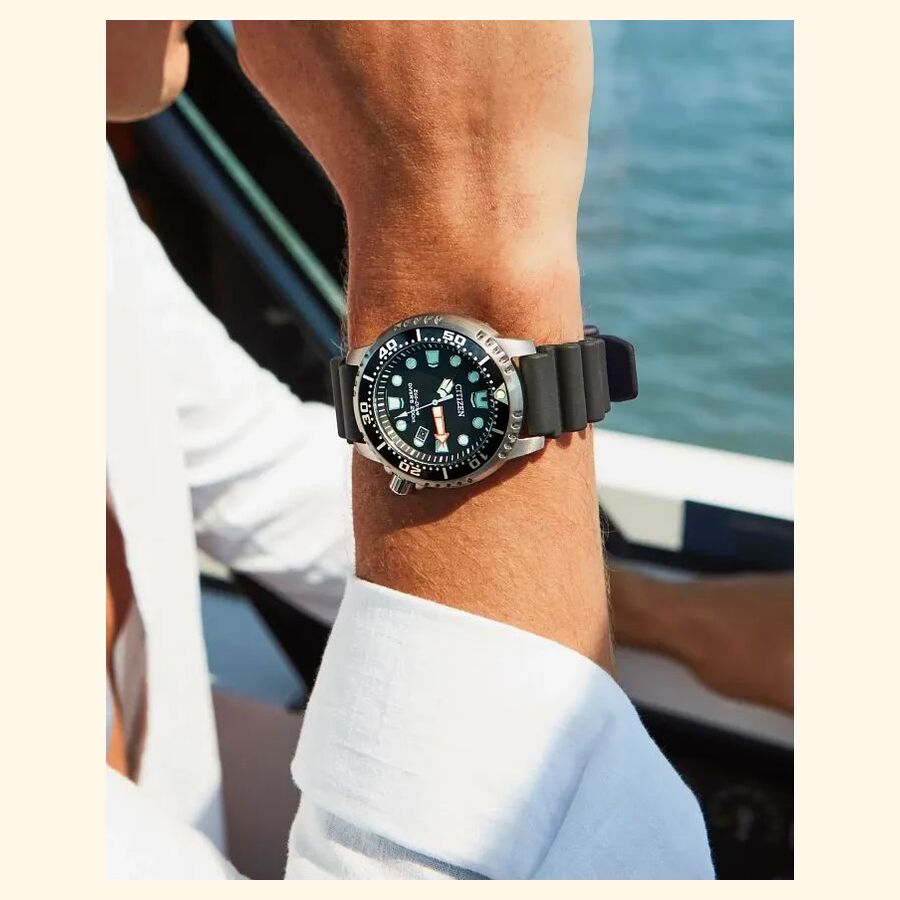
    Citizen Promaster Diver
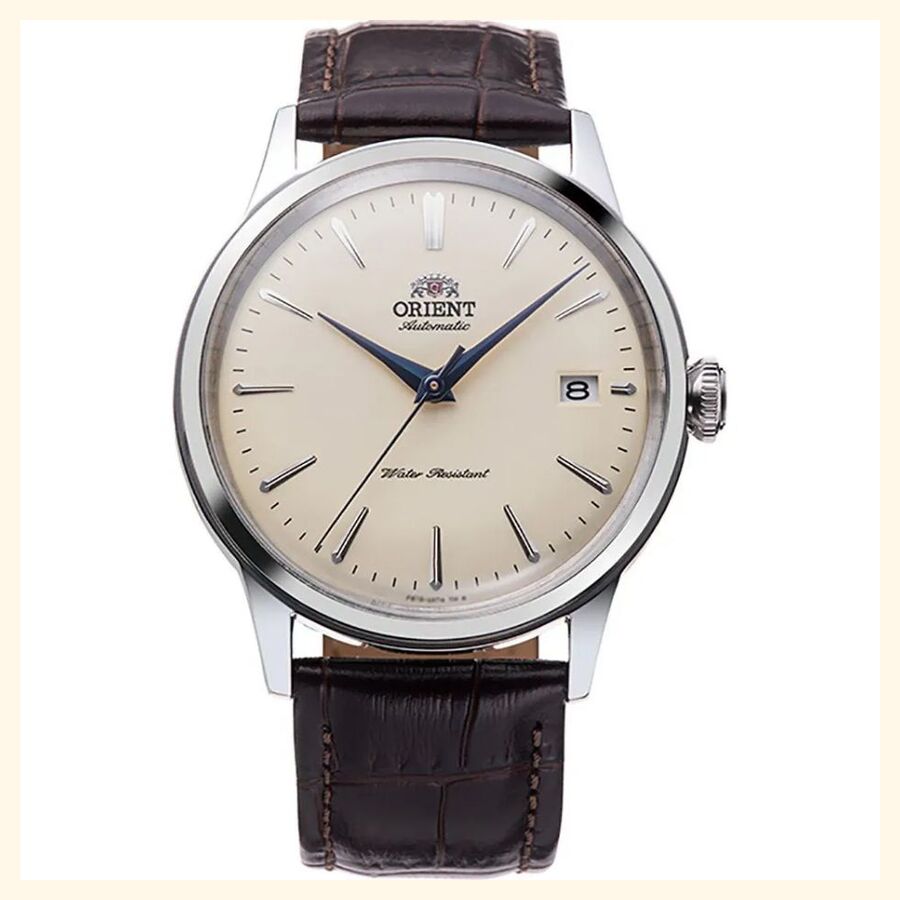
    Orient Bambino 38
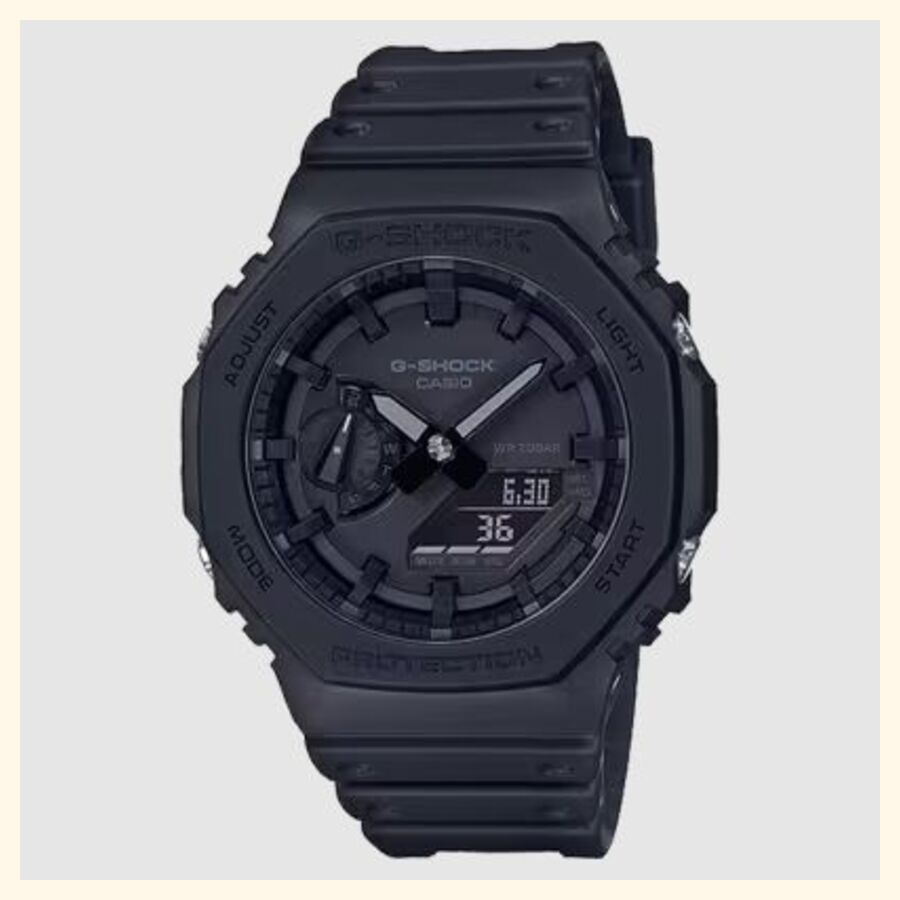
    Casio G-Shock GA-2100

    Five different watches for five different jobs: everyday, dive, solar, dress and tough.

    Below $500, every watch is an exercise in budget allocation. One brand gives you sapphire and saves money on the bracelet. Another gives you better case proportions but keeps a mineral crystal. A solar Citizen will embarrass every affordable automatic for accuracy, but it will not give you a rotor to watch through the caseback.

    That is why the “best watch under $500” is a weak question. The better question is which compromise you will still accept after six months. We chose one watch for each common answer.

    Orient Kamasu automatic dive watch

    1 · Automatic diver · Best all-round value

    Orient Kamasu

    The Kamasu is not the cheapest automatic diver and it is not the most refined. It is the one that gets the balance right. The case has enough polish to escape pure tool-watch territory, while the dial and bezel still read instantly in bad light. For someone buying one mechanical watch to wear hard, that balance matters more than novelty.

    Keep in mind: The bracelet is secure but simpler than the case and dial, and the 41.8 mm case still looks deliberately sporty.

    Open the full watch profile →

    2 · Everyday automatic · Easiest first watch

    Seiko 5 Sports SRPE53

    The SRPE53 wins less through its specification sheet than through proportion. The short lugs, broad dial and restrained bezel make it feel friendly on the wrist. Its blue sunburst dial changes character through the day, and the day-date display gives it the small touch of Seiko personality that cleaner competitors sometimes lack.

    Keep in mind: Hardlex is less scratch-resistant than sapphire, and an entry-level automatic will not match quartz precision.

    Open the full watch profile →
    Seiko 5 Sports SRPE53 blue dial automatic watch
    Citizen Promaster Diver BN0150-28E Eco-Drive watch

    3 · Solar diver · The sensible tool watch

    Citizen Promaster Diver BN0150-28E

    The Promaster is the recommendation for people who want the ritual of wearing a watch, not the ritual of maintaining one. Leave it near daylight, put it on and trust it. The dial is blunt, highly legible and recognisably Citizen; the asymmetrical case and crown give it more identity than the phrase “practical quartz diver” suggests.

    Keep in mind: The 44 mm case has real tool-watch presence and the thick rubber strap keeps the look casual.

    Open the full watch profile →

    4 · Dress watch · Best vintage proportion

    Orient Bambino 38

    The smaller Bambino finally gives the design the proportions it was asking for. The dial has room to breathe without spreading across the wrist, and the domed mineral crystal creates the soft distortion people actually want from a vintage-inspired watch. It is elegant without trying to imitate a luxury logo.

    Keep in mind: The 30 m rating is for incidental splashes, so this is not the choice for swimming or rough use.

    Open the full watch profile →
    Orient Bambino Version 7 38.4 mm champagne dial watch
    Casio G-Shock GA-2100-1A1 all black analog digital watch

    5 · Tough watch · Best low-stress ownership

    Casio G-Shock GA-2100-1A1

    The GA-2100 works because the design is disciplined. The octagonal bezel gives it identity, the case stays relatively slim, and the analogue-digital layout offers more useful information than a conventional three-hander. It is not a budget substitute for a mechanical watch; it is a better answer to a different question.

    Keep in mind: The all-black display sacrifices some low-light contrast. The solar, Bluetooth GA-B2100 is the premium step-up.

    Open the full watch profile →

    Our actual shortlist

    If we had to make the choice for you

    Choose the Seiko SRPE53 for the easiest everyday fit. Choose the Orient Kamasu when swimming and sapphire matter. Choose the Citizen Promaster if you would rather enjoy the watch than manage it.

    The Bambino and GA-2100 are stronger specialists: one makes ordinary clothes feel sharper; the other is the watch you stop worrying about.

    How we built this list: we compared current manufacturer specifications, intended use, case dimensions, movement type and the compromises most likely to affect ownership. Prices vary by colour, seller and region.

    Disclosure: Some retailer links may become affiliate links. If you buy through them, Zen Mode Watches may earn a commission at no extra cost to you. A commission does not change the watch selected or the drawbacks described.